FASTWEB NeXXt
14% Churn Reduction, Control Group Validated
2M Consumers | 18-Month Study | iF Design Award 2022

RESULTS
- Churn: Down 14% vs. control group, tracked over 18 months
- NPS: 62 to 74
- Reach: 2M+ consumers with repositioned product
Recognition: iF Design Award 2022
The control group methodology became Fastweb’s standard for evaluating any major product investment. That’s the part that transferred.
The control group methodology became Fastweb’s standard for evaluating any major product investment. That’s the part that transferred.
THE STORY
In 2020, Fastweb had a problem that every telecom faces: customers only cared about price. The internet router, the device that actually sits in people’s homes, was completely invisible. Hidden behind furniture. Forgotten until something broke.
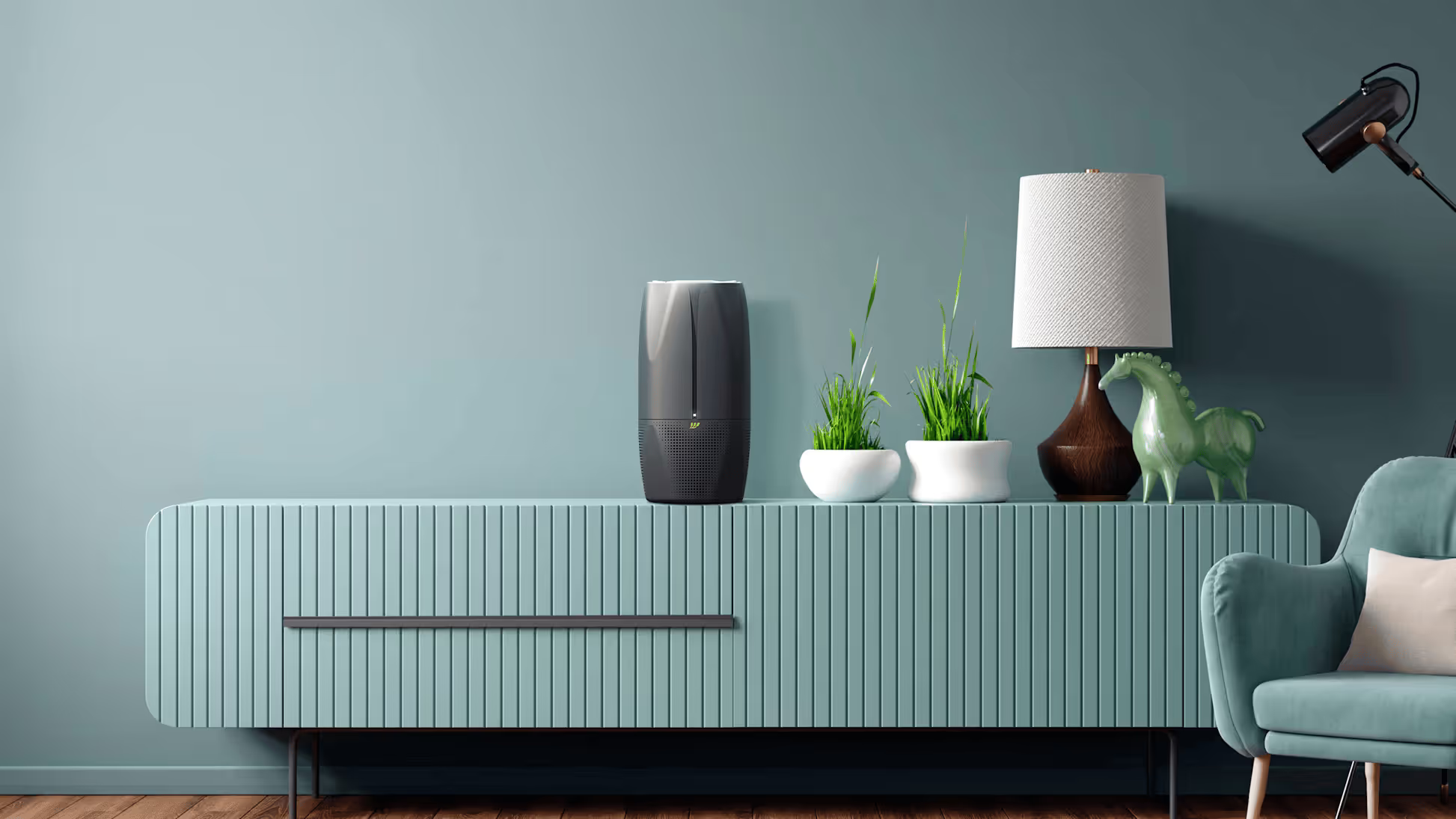
The brief was to design Italy’s first voice-enabled router. But the real opportunity was bigger: could we turn a commodity utility into something people actually wanted to display in their living rooms?
The brief was to design Italy’s first voice-enabled router. But the real opportunity was bigger: could we turn a commodity utility into something people actually wanted to display in their living rooms?
WHAT MADE THIS DIFFERENT
Most product launches measure success through sales and reviews. We did something unusual: we set up a control group.One million customers received NeXXt.
One million stayed on legacy hardware. We tracked both groups for 18 months on the same metrics: churn, support calls, NPS, revenue per user.
The methodology came from a question I asked early: “How will we know this actually worked, versus customers just being excited about something new?” The client had the data infrastructure to run a controlled comparison.
MY ROLE
Strategy Director, Sketchin (BIP Group)
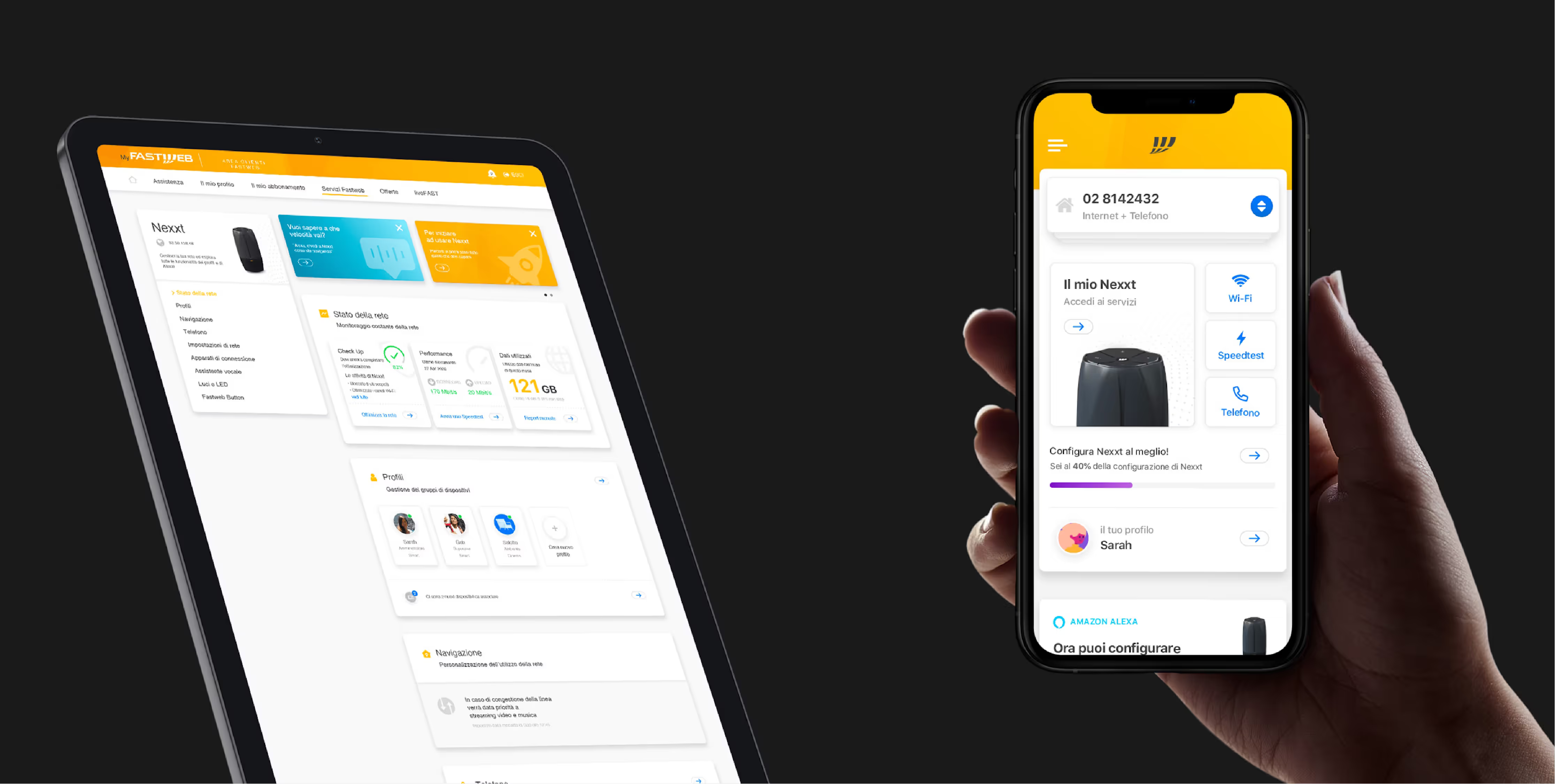
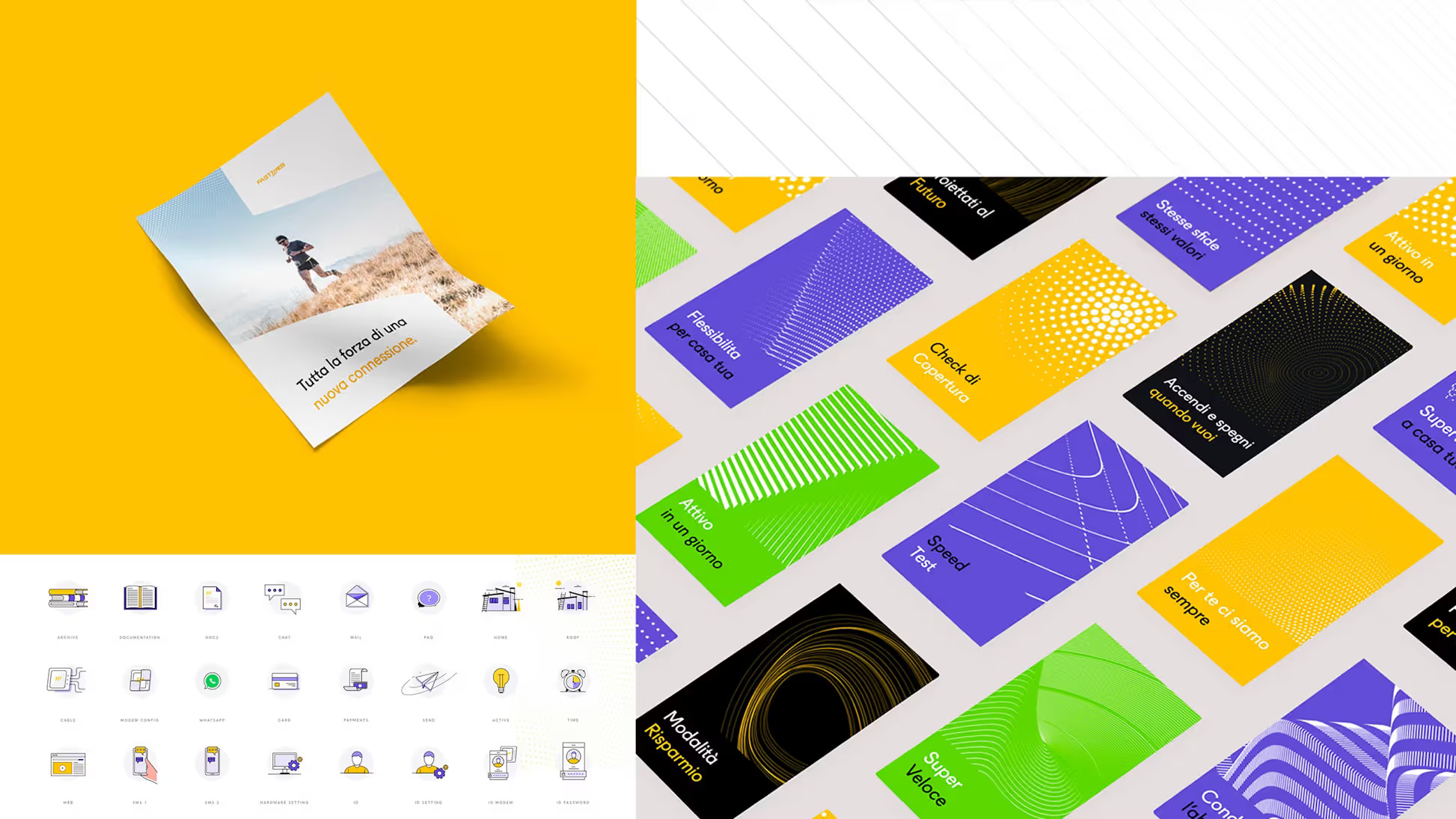
I led the product design end to end: hardware positioning, voice interface framework, app experience, brand identity and go-to-market strategy. Sketchin had been on NeXXt since 2020. I took the account as Strategy Director in 2021 and led it through launch and the measurement period.
I led the product design end to end: hardware positioning, voice interface framework, app experience, brand identity and go-to-market strategy. Sketchin had been on NeXXt since 2020. I took the account as Strategy Director in 2021 and led it through launch and the measurement period.
WHAT I ACTUALLY DID
The Research
We started by understanding why routers were invisible. The answer was obvious once we looked: they were ugly, utilitarian boxes designed to be hidden. Nobody had tried to make one worth displaying.
The insight wasn’t complicated. Voice assistants had normalized talking to devices. Premium home objects (speakers, lamps, furniture) had proven people would pay more for things they were proud to show. The router was the missing piece.
The Remote Build
Forty people across eight departments had to co-design a hardware product, a voice interface and an app, most of it remote. What made it work was smaller pieces with clearer ownership: short focused reviews, one presenter, decisions taken in the room instead of in big collaborative sessions.
Forty people across eight departments had to co-design a hardware product, a voice interface and an app, most of it remote. What made it work was smaller pieces with clearer ownership: short focused reviews, one presenter, decisions taken in the room instead of in big collaborative sessions.
The Voice Integration
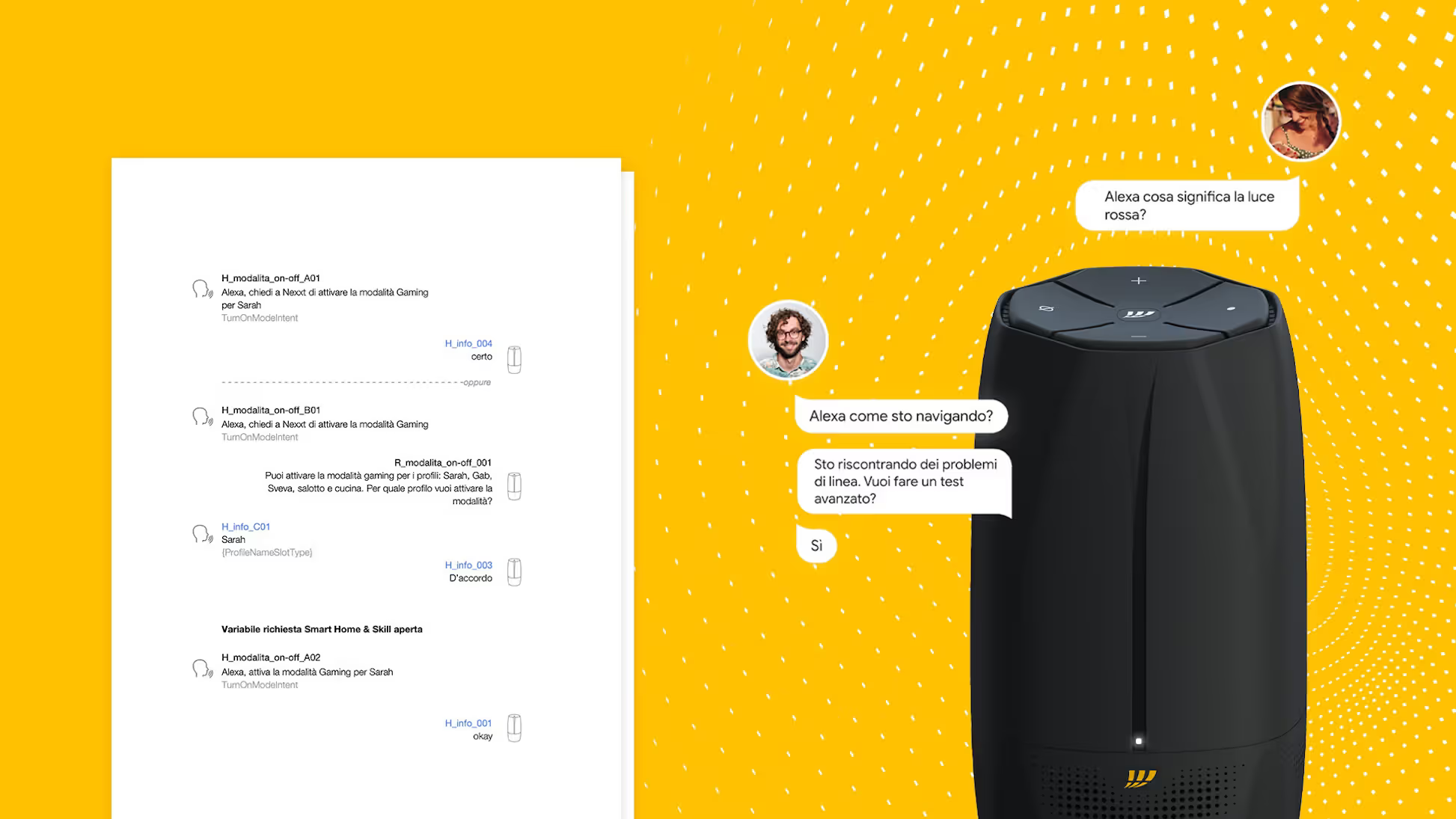
We integrated Amazon Alexa with 30+ custom voice commands for network management, parental controls, and digital wellness. Things like: “Alexa, check my connection speed.” “Alexa, turn off Sarah’s internet.” “Alexa, activate gaming mode.”
The voice commands weren’t just features. They were the reason the router needed to be visible. You can’t talk to something hidden behind a couch.
The Design Bet
We designed the hardware to be displayed, not hidden. Premium materials. A form factor that looked intentional. No visible cables. The idea was to take a utilitarian category, apply design thinking, and create premium perception.
We designed the hardware to be displayed, not hidden. Premium materials. A form factor that looked intentional. No visible cables. The idea was to take a utilitarian category, apply design thinking, and create premium perception.
WHAT HAPPENED
The control group data came in over 18 months. NeXXt customers churned 14% less than the control group, and their NPS was 12 points higher.
The iF Design Award helped internally more than externally. Before the award, NeXXt was a product launch. After, it was proof that the approach worked. NeXXt became the blueprint for how Fastweb thinks about product launches. Not because it won recognition, but because the control group proved the model worked with data, not opinions.
The iF Design Award helped internally more than externally. Before the award, NeXXt was a product launch. After, it was proof that the approach worked. NeXXt became the blueprint for how Fastweb thinks about product launches. Not because it won recognition, but because the control group proved the model worked with data, not opinions.
WHAT I TOOK AWAY
Telecom is a brutal market. Competitors can match any price cut within weeks. The only sustainable differentiation is a product people actually care about.
The control group methodology was the thing that made this defensible. Without it, we’d have had opinions about whether NeXXt worked. With it, we had proof. The 14% churn difference wasn’t a feeling. It was a million customers measured against a million customers over 18 months.
Most companies skip this step because it’s expensive and slow. But it’s the difference between “we think this worked” and “we know this worked.” For a company making major product bets, that certainty matters.
